
John M — EMS Provider Lieutenant, Charge Aide, Driver
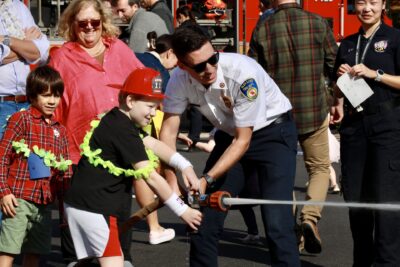
John M. is a Montgomery County EMS Provider Lieutenant and volunteers as a charge aide and driver at the Glen Echo Fire Department. In addition to his operational duties, John supports the department with several administrative needs as a Lieutenant: scheduling shifts, managing leave and modified member hours, coordinating the live-in program, overseeing SAMS and LOSAP points, and handling technology needs, among other responsibilities. Quite literally, the department could not operate without John! We are incredibly privileged to have a dedicated, passionate member like John, and we are thrilled to highlight him as our Member of the Month for September.
Please introduce yourself!
My name is John, and I’ve been an EMS provider with GEFD since November 2016, so going on 10 years. I’m currently an EMS Lieutenant, and in that role I manage the volunteer shift schedule, administer our IT systems, and have a few other miscellaneous roles that tend to fall into one’s lap in a volunteer organization.
What would you tell anyone who is thinking about becoming a volunteer first responder?
If you’re looking for an easy résumé- or application-booster, this isn’t it. It’s a huge commitment of time and energy, and to be successful you will have to make sacrifices in other parts of your life for it. But for those who are willing to put in the work and make those sacrifices, it’s incredibly rewarding. Not only do you get the privilege of helping people during a difficult time in their life, but you will also learn and hone skills that go far beyond the technical aspects of firefighting and EMS—leadership, problem-solving, and composure, to name a few—and will serve you in your personal and professional or academic life as well.
What is your favorite skill to perform/call type to respond to?
This may be an uncommon opinion, but my favorite call is the “lift assist,” which is where someone is uninjured but has fallen and needs help getting off the ground. On most other EMS calls, we can help people by evaluating for and treating immediate life threats, making them as comfortable as possible, and transporting them to an emergency department for further evaluation or care, but we usually can’t resolve the underlying problem. With a lift assist, we can show up with the right tools—often nothing more than compassion, professionalism, and a few pairs of steady hands—and resolve the problem by helping the person off the floor and making sure they’re uninjured. If they are falling frequently or have other health needs for which they don’t have adequate support at home, we can also help connect them with longer-term services that Montgomery County coordinates through its Mobile Integrated Health program. People sometimes feel embarrassed or guilty for calling us when they only need help getting off the ground, but they absolutely shouldn’t—our public health and safety mission goes far beyond responding to immediate life threats, and it is an important part of the service we provide to the community.